Featured
Table of Contents
Organizations that embrace a tactical technique to APIs might not completely benefit from its advantages. Organizations already embracing design-led API principles are well-positioned to shift to API-first, particularly if APIs are deeply integrated into their operations.
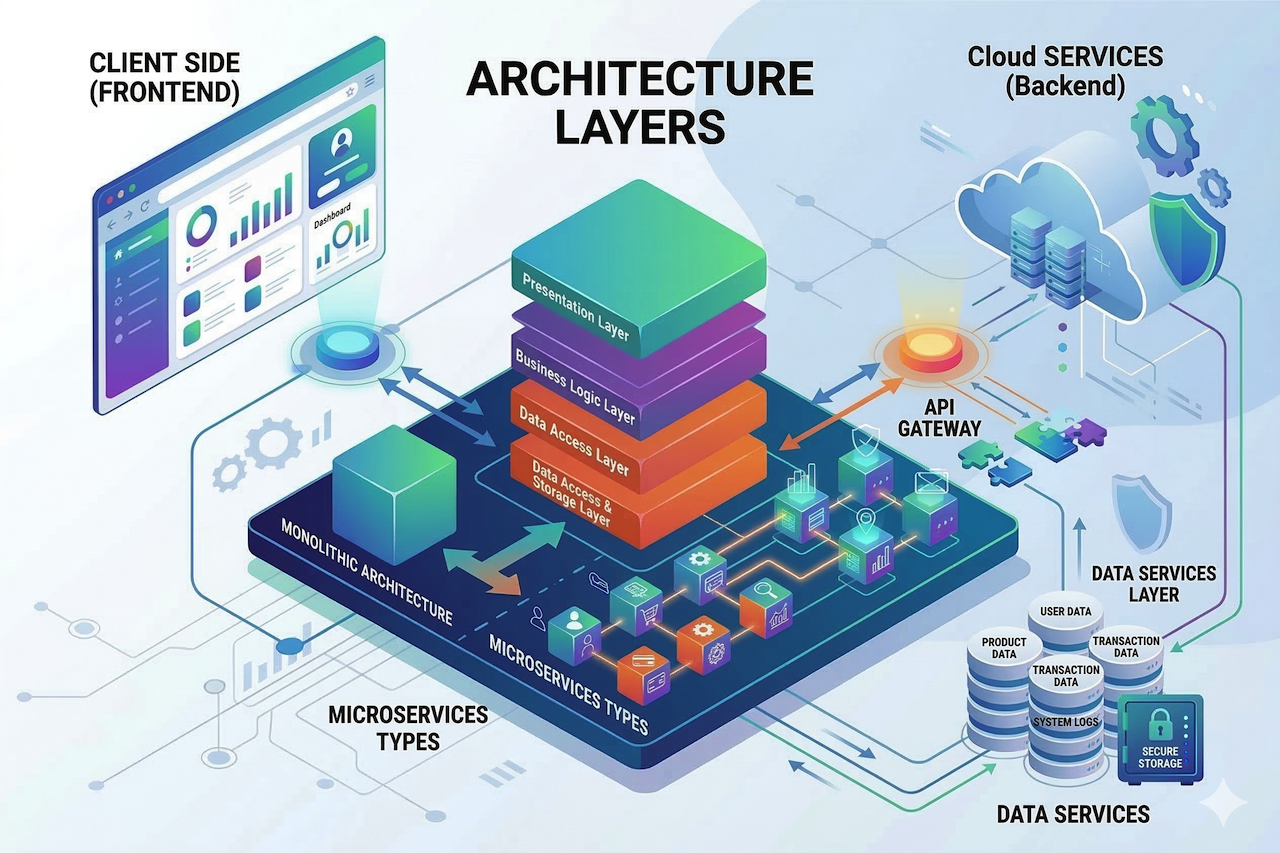
An API-first strategy is perfect for microservices architectures because it guarantees application communities start as modular and multiple-use systems. By emphasizing APIs early on, the structure of API demands and data are highlighted. This makes it possible for the API to deliver what developers require most and avoids costs developer time on functions that later on end up being unwanted.
For enterprises, APIfirst often means faster time to market because it's much easier to upgrade and change backend services. In addition to increased production speed, taking an APIfirst method also produces stronger software application. Developers can focus on style, as teams don't have to go back to square one and can recycle their APIs and code across projects.
Essential Decisions for Selecting a Modern CMS
API-first designs also streamline API governance, providing more control and observability to operations groups by default. Having higher control and visibility into the API allows groups to see both the API's existing state and future potential. APIs are characteristically open, which provides terrific capability, however it also implies any designer can access the API.
Centrally defining API security policies, and embedding that security across the entire API lifecycle, is required when developing a successful APIfirst design. And, with a securityfocused state of mind, an APIfirst design can have an even stronger security perimeter than previous, codefocused designs. You can find out more about the importance of guaranteeing your APIfirst method doesn't end up being a securitylast vulnerability in the F5 blog site Recipe for Catastrophe: APIfirst with Securitylast Methods.
With API Connectivity Supervisor, infrastructure teams can release highperformance API gateways and designer websites. And designers can quickly release and handle APIs and paperwork or discover and onboard APIs into applications.
Top Front-End Trends for Next-Gen 2026 Interfaces
By Janet Wagner Web APIs have actually been around for nearly twenty years, however it is only in the previous few years that the concept of "API first" has acquired traction with software teams. The number of developers taking an API-first approach to structure items is rising. So today we believed we would present you to the concept of API initially and why this approach is growing in prominence.
Developing an agreement includes investing more time believing about the style of an API. It also often involves extra preparation and partnership with the stakeholders supplying feedback on the style of an API before any code is composed.
Humans take in information through applications, frequently from many various devices smartphones, laptops, tablets, and desktops. Organizations needs to construct apps that look excellent and work well throughout all gadgets.
An API-first strategy permits companies to develop APIs that serve all applications, and applications can be established and maintained efficiently for all devices, platforms, and running systems. An API-first technique to structure items supplies many benefits, consisting of but not restricted to: API initially includes developing a contract. Developing a contract between services that is followed by groups across an organization allows those teams to work on numerous APIs at the same time.
How Modern CMS Strategies Drive Digital Impact
Groups can mock APIs and test API reliances based on the recognized API meaning. APIs and code can be recycled on numerous various projects.
Automation considerably speeds up the development of APIs and applications. API first likewise makes it possible to include brand-new services and technologies to applications without having to re-architect the entire system.
Today, applications must not just be well designed however likewise to market within six months. Consumers of APIs are frequently designers, and developer experience (DX) can make or break the success of an API. API first makes sure that designers have positive experiences using your APIs. Well-designed, well-documented, consistent APIs offer favorable designer experiences since it's much easier to recycle code and onboard developers, and it reduces the learning curve.
Top Practices to Optimizing Front-End Interface for 2026API initially minimizes the threat of failure by ensuring that APIs are reputable, consistent, and easy for designers to utilize. Now that you understand a few of the advantages of an API-first approach to item development, how should you set about planning and implementing an API-first technique? Here are simply a couple of things that ought to belong to your API-first plan.
How Better CMS Strategies Improve Digital Results
Figure out the kinds of APIs that need to be built and which services should be offered via APIs. Figure out and compose down the usage cases for each API.
Top Practices to Optimizing Front-End Interface for 2026Stakeholders can then concur on interactions throughout the company so that APIs remain constant. The contract develops a set of standards and best practices for designing APIs.

Latest Posts
Driving User Engagement Via Advanced Design Elements
Improving Online Visibility Through Advanced Data Analytics
Will AI Replace Standard Content Practices?